

What Happens When Labor Union Contract Negotiations Break Down?
From time to time, contract negotiations stall between small businesses and their union employees. This scenario can seem daunting for businesses relying heavily on union labor, especially if they are trying to handle negotiations without an employment lawyer.
Employment lawyers help business owners make informed, rational decisions. They explain their rights and responsibilities under federal labor laws and prepare them for the possibility of a strike.
Stay Calm During Contract Negotiations
If negotiations break down, it is essential to stay calm. This may be easier said than done, but remember, there are ways to manage the situation and the goal is to bring the other party back to the table. It is not uncommon for negotiations to hit a few bumps in the road and it is important not to let these setbacks derail the entire process.
Mediation and Arbitration in Labor Union Negotiations
One option to consider if negotiations stall is mediation. This involves bringing in an impartial third party to help facilitate discussions and work toward a resolution. If mediation does not work, a company might consider arbitration. In this process, a third party makes a decision that is usually binding on both sides. Both options can help break the deadlock and move the negotiations forward.
Strike Management During Labor Union Negotiations
When negotiations break down, one of the most significant concerns for business owners is the possibility of a strike. Strikes can disrupt their business operations, impact their bottom line, and strain relationships within their workforce. However, understanding the nature of strikes and how to manage them effectively can significantly mitigate these challenges.
Types of Strikes
A strike occurs when workers collectively decide to stop working to protest against terms of employment, such as wages, working conditions, or other contractual stipulations. Strikes are a powerful tool in the labor union’s arsenal, directly impacting the company’s ability to operate normally.
However, not all strikes are the same. The nature, legality, and impact of a strike can vary depending on several factors:
Authorized Strikes: These are strikes that the union has officially approved following a vote by its members. They are typically organized and coordinated, with clear objectives and demands.
Wildcat Strikes: These are spontaneous strikes that occur without the official authorization of the union. They can be unpredictable and challenging to manage and are frequently the result of worker dissatisfaction. Wildcat strikes can be illegal, especially if they violate the terms of the existing labor contract.
Sympathy Strikes: These occur when workers strike in support of another group of workers who are striking against their employer. This type of strike can extend the impact of a labor dispute beyond the immediate parties involved.
Economic Strikes: These strikes occur due to disputes over wages, benefits, working conditions, or other economic factors. Economic strikes are generally legal, provided they adhere to specific rules and regulations.
Unfair Labor Practice Strikes: These occur in response to an employer’s alleged violation of labor laws or regulations. These strikes can happen anytime and are not limited by an existing contract.
Managing Strikes
Effective strike management is crucial to companies to minimize disruption to their business and work toward a resolution. Here are some strategies to consider:
Preparation: Anticipate a strike and have a contingency plan. This could involve training management and non-union employees to take over essential roles or hiring temporary workers to maintain operations.
Communication: Maintain open communication lines with the union representatives and their employees. Transparency about their position and willingness to negotiate can help to de-escalate tensions.
Legal Counsel: Ensure access to experienced legal counsel to advise executives on their rights and responsibilities during a strike and to help navigate labor laws and regulations.
Negotiation: Continue contract negotiations during a strike. The aim is to reach a resolution that satisfies both parties and ends the strike as soon as possible.
Maintaining Order: In the event of a strike, it is important to ensure the safety and security of all parties involved. This might include coordinating with local law enforcement or private security to manage picket lines and maintain order.
Remember, strikes are a symptom of underlying issues in the negotiation process. While managing a strike effectively is important, the ultimate goal should be to address these issues and reach a fair and sustainable agreement with the union.
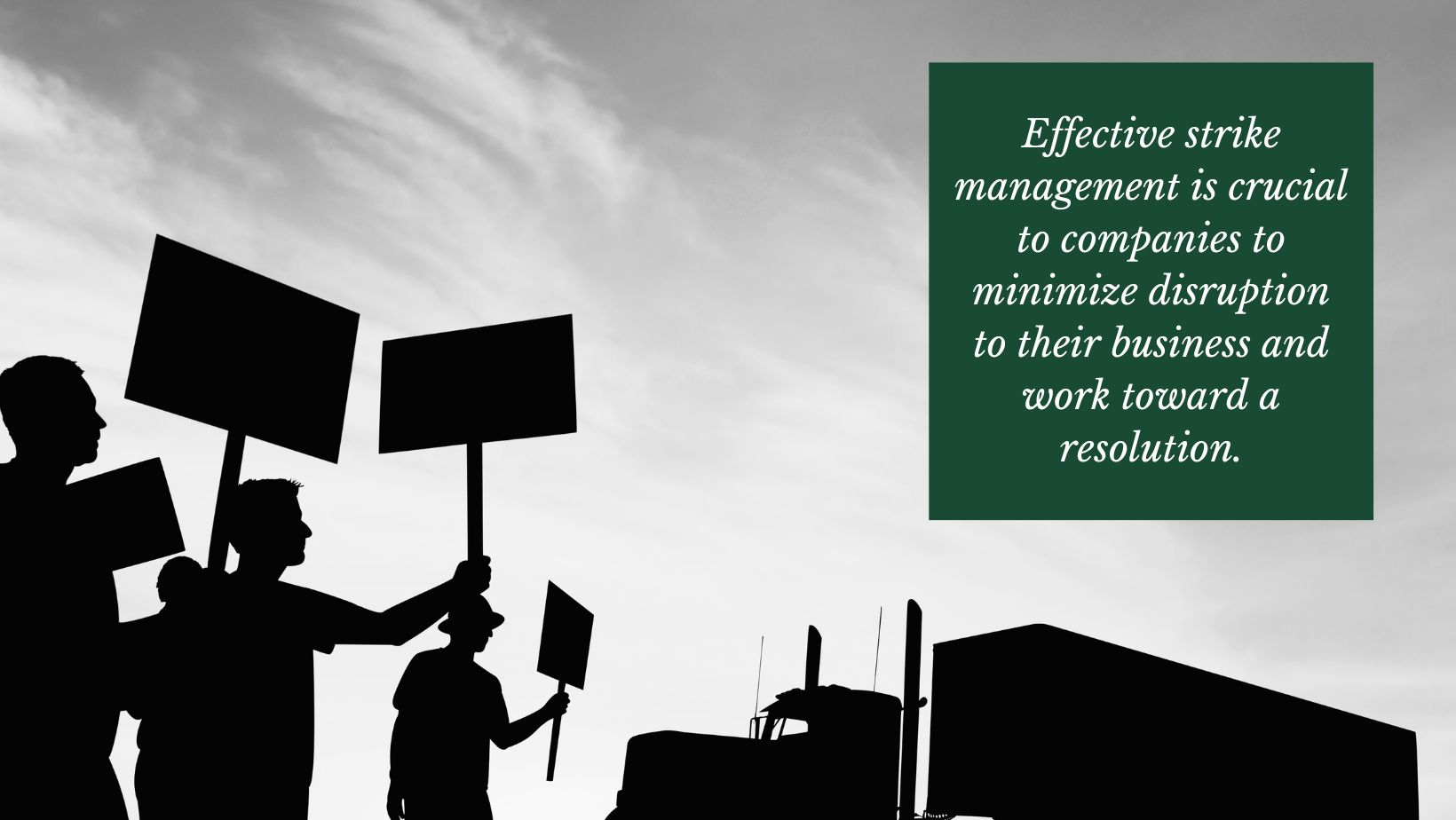
Image by shotbydave by Canva.com
Contract Negotiations: Getting Back to the Bargaining Table
Ultimately, the goal is to get back to the bargaining table. Employment lawyers help guide the contract negotiations toward a resolution that is in everyone’s best interests. It is essential to approach these discussions with an open mind and a willingness to compromise. Remember, the goal is not to “win” the negotiations but to reach a fair and sustainable agreement for both sides.
After all, while a breakdown in labor union contract negotiations can be challenging, businesses navigate this process successfully with the proper legal counsel, a calm demeanor, and a commitment to finding a resolution. Remember, the goal is not to defeat the union but to work with them to agree upon a contract that benefits everyone involved.
Cover Image by Blue Planet Studio by Canva.com
Latest Posts
 by Chris Swiecicki
Document Retention for Small Businesses: What to Keep, How Long to Keep It, and How to Build a Defensible Policy
Understanding which documents to keep and which to throw away can often be daunting. Small business owners may commonly think that “keeping everything” is...
by Chris SwiecickiYour Document Retention Policy Is a Contract With Your Future Self
Business leaders are busy, and with the constant flood of tasks, document retention can become an afterthought. Without a solid documentation plan, issues...