
What to Do Now that the FTC Has Outlawed Noncompete Agreements
The Federal Trade Commission (FTC) recently issued a “final rule” that bans noncompete agreements for employees, making them largely unenforceable. This new regulation significantly impacts how businesses can protect their interests, as noncompetes have traditionally been a common tool to prevent employees from joining competitors or starting rival businesses.
However, companies still have effective strategies to safeguard their trade secrets, client lists, and other confidential information. Here is some practical advice on maintaining a competitive edge while complying with the new legal landscape.
Understanding the FTC’s New Rule on Noncompetes
The FTC’s new rule banning noncompetes marks a significant shift in employment law by banning noncompete agreements for most employees. Noncompetes are clauses in employment contracts that restrict employees from joining a competitor or starting a similar business within a specific timeframe and geographic area after leaving their job. Companies traditionally used these agreements to protect sensitive information, prevent talent poaching, and safeguard their market position. Noncompetes aimed to reduce the risk of intellectual property theft and loss of clients to competitors by limiting an employee’s ability to work in similar roles.
However, critics argue that these agreements stifle competition, limit employee mobility, and suppress wages. The new FTC non-compete ban, therefore, seeks to enhance economic mobility and job market competitiveness by rendering most noncompete agreements unenforceable, particularly for non-executive employees. This change requires businesses to explore alternative methods for protecting their interests without relying on noncompetes.
Protecting Trade Secrets and Intellectual Property
With noncompete agreements no longer enforceable, businesses must turn to other legal protections to safeguard their sensitive information. Trade secrets—confidential business information that provides a competitive edge—remain protected under the law, even after an employee leaves the company. Companies can still take legal action if a former employee misuses or discloses these secrets. To reinforce these protections, businesses should ensure they have strong internal policies and employee training programs on confidentiality and data security.
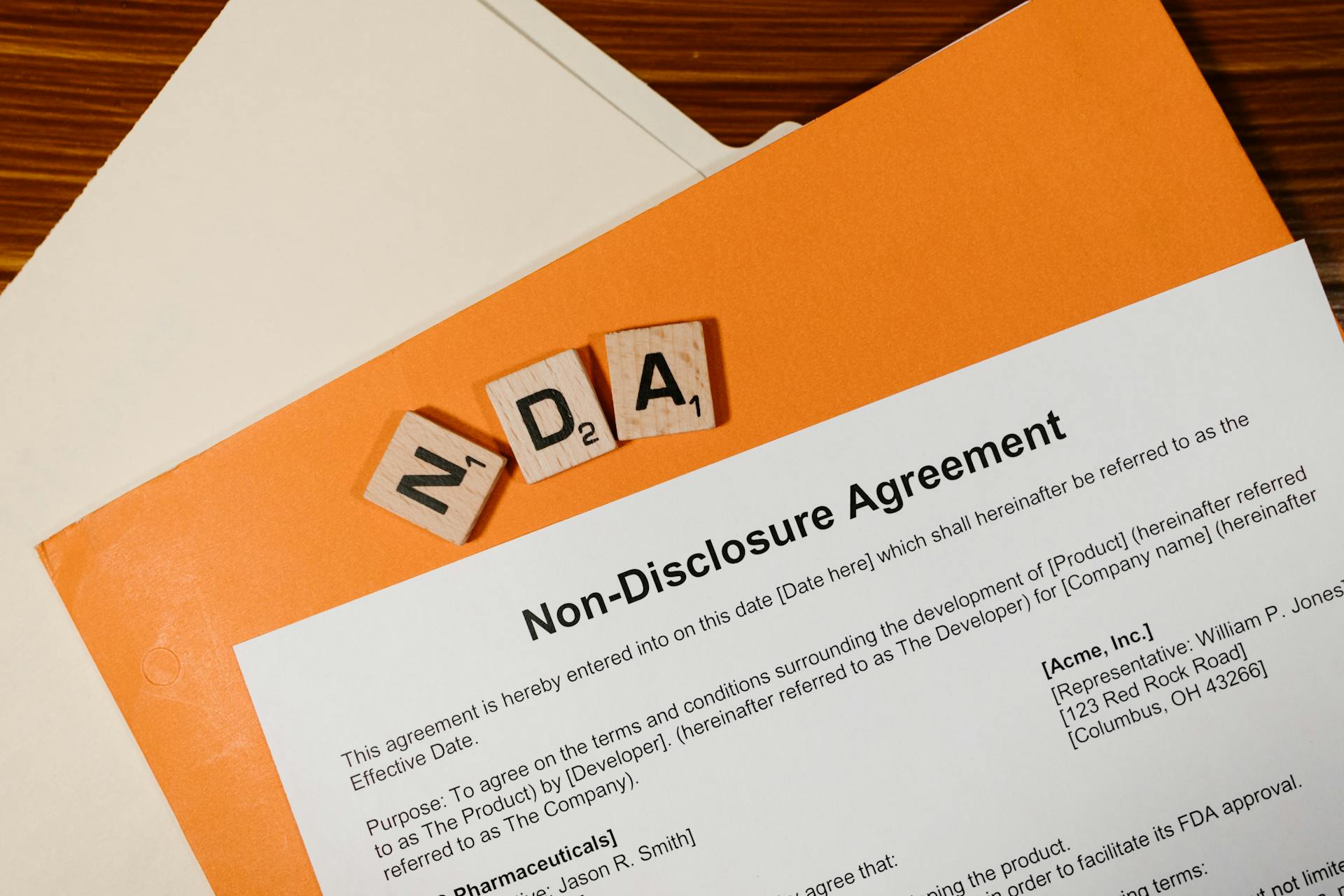
Implementing robust nondisclosure agreements (NDAs) can also help protect valuable information, as NDAs expressly prohibit employees from sharing confidential information with competitors or using it to their advantage. Additionally, careful management of digital access to proprietary information, including client lists, can further prevent unauthorized use or dissemination. By focusing on these safeguards, businesses can continue to protect their assets in a post-noncompete landscape.
Alternatives to a Noncompete Agreement
With the new rule banning noncompetes, businesses need to have a strategy for protecting key trade secrets and client lists.
One of the best alternatives to a noncompete agreement for businesses is the nonsolicitation agreement. Nonsolicitation agreements prevent former employees from enticing clients or other employees to leave the company and join a competing business. Unlike noncompetes, which broadly restrict where an employee can work, nonsolicitation agreements are more focused, explicitly prohibiting actions that could harm a company’s relationships and revenue.
These agreements are often easier to enforce in court, as they target specific competitive behaviors rather than general employment. To maximize their effectiveness, businesses should clearly define the scope and duration of nonsolicitation agreements, specifying which clients and employees are off-limits and for how long. By implementing well-crafted nonsolicitation agreements, companies can protect their client base and talent pool, ensuring that former employees do not undermine a company’s hard work by stealing away clients and employees.
In the absence of noncompete agreements, fostering a positive workplace culture and enhancing employee retention has become even more critical for businesses. Companies can reduce turnover and minimize the risk of losing valuable talent to competitors by focusing on employee satisfaction and engagement. Strategies to boost retention include offering competitive salaries, robust benefits packages, and career development and advancement opportunities.
Creating a supportive work environment that values open communication, recognition, and work-life balance can also significantly enhance employee loyalty. Investing in these areas helps retain top talent and builds a more committed and motivated workforce. Companies prioritizing employee well-being are more likely to foster a sense of loyalty and commitment, reducing the need for alternatives to a noncompete agreement. In a market where talent mobility is increasing, focusing on retention and workplace culture can be a powerful supplement to traditional noncompete strategies.
Legal Compliance with the FTC Noncompete Ban
With the FTC noncompete ban businesses must stay informed about the evolving legal landscape to ensure compliance and avoid potential pitfalls. Regularly reviewing and updating employment contracts and policies to align with the latest regulations is essential.
Companies should seek guidance from legal professionals to navigate these changes effectively and develop new strategies for protecting their interests without relying on noncompete clauses. Additionally, staying informed about state-specific regulations, which may have different requirements and interpretations of employment law, is critical.
Leveraging legal resources, such as workshops, webinars, and legal counsel, can help businesses stay ahead of regulatory shifts. Noncompliance can lead to costly legal battles and damage a company’s reputation, so proactive legal management is key. By remaining vigilant and adaptable, businesses can protect their proprietary information and maintain their competitive edge even as regulations change in unforeseen ways.
How Swiecicki & Muskett Helps with Noncompete Agreements
Finding the best alternatives to a noncompete agreement depends on context—specifically, a company’s needs, the relevant laws based on location, and the industry in which you operate. Failing to account for that context can lead to your hard-earned clients and trade secrets going unprotected.
At a large law firm, you might get passed between junior attorneys trying to minimize the time they spend on your case, and they may never fully understand the full context needed to keep you safe. At Swiecicki & Muskett, we assign you a single attorney who is with you every step of the way, and who will take the time to get to know your company and industry. With a specialty in contract law, we have ample experience helping companies ranging from small to Fortune 500 protect their interests. For a free, no-obligation consultation on your post-noncompete needs, contact us today!
* Cover photo by RDNE Stock project via Pexels
Latest Posts
 by Chris Swiecicki
Document Retention for Small Businesses: What to Keep, How Long to Keep It, and How to Build a Defensible Policy
Understanding which documents to keep and which to throw away can often be daunting. Small business owners may commonly think that “keeping everything” is...
by Chris SwiecickiYour Document Retention Policy Is a Contract With Your Future Self
Business leaders are busy, and with the constant flood of tasks, document retention can become an afterthought. Without a solid documentation plan, issues...